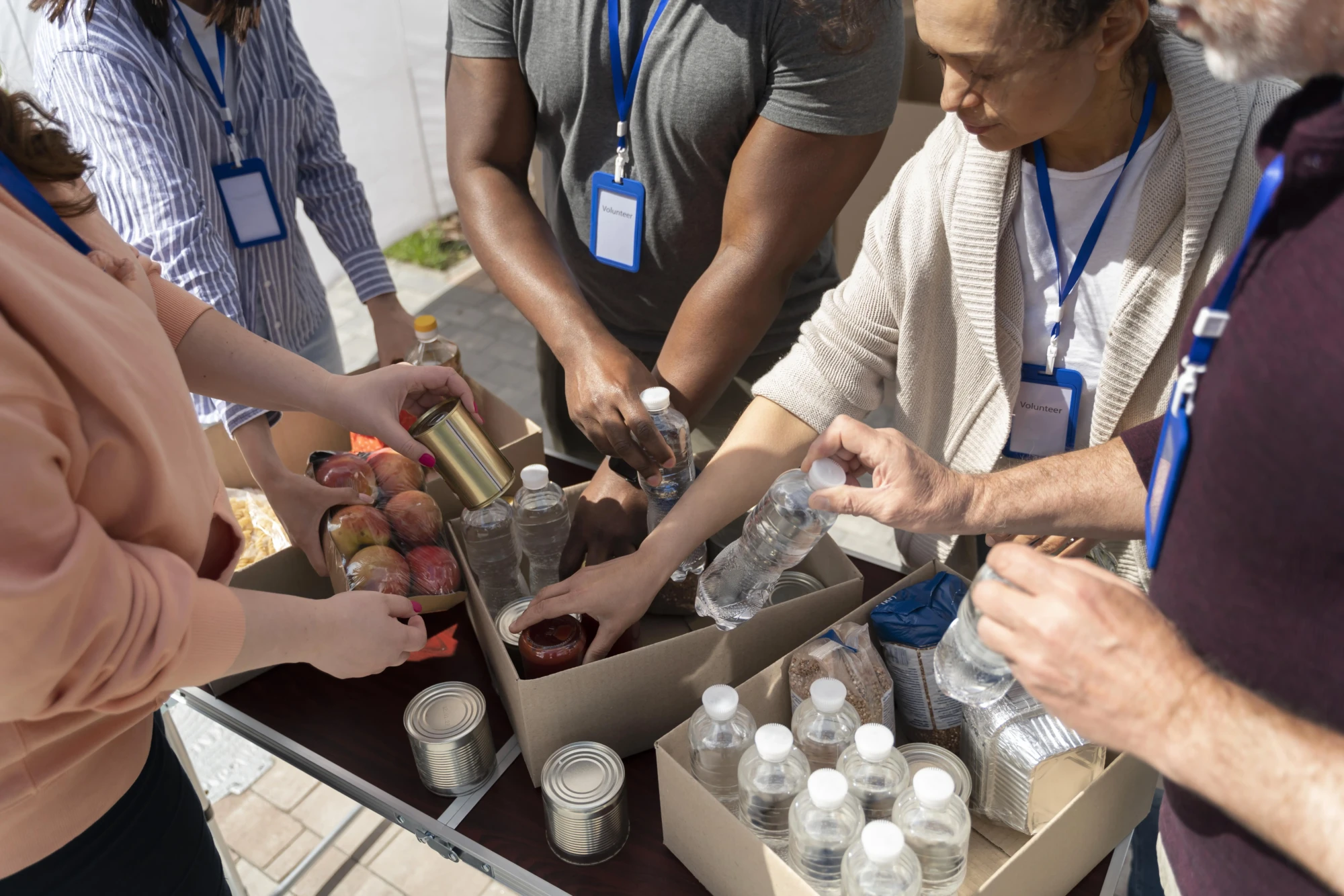
An international humanitarian mission often involves complex and unpredictable operational conditions. Humanitarian organizations deploy their teams to environments where health, human, and logistical risks are high. In this context, implementing appropriate insurance coverage is not optional — it is essential to ensure the safety of employees and volunteers.
The types of insurance required for an international humanitarian mission must address highly specific needs: access to healthcare, protection in case of accidents, emergency management, and the overall security of personnel deployed in the field. A comprehensive and structured approach helps to anticipate risks and ensure operational continuity.
Health Insurance: An Essential Foundation
Health insurance forms the cornerstone of protection during an international humanitarian mission. It covers medical expenses related to consultations, hospitalisation, emergency care, and any treatments required during the assignment.
In many areas of intervention, local medical infrastructure may be insufficient or inadequate. International health coverage enables teams to access appropriate medical facilities, sometimes located in another country. It also ensures coverage of costly medical treatments that could otherwise represent a significant financial burden for individuals or the organization.
This type of insurance is essential for both short- and long-term missions, guaranteeing timely access to healthcare regardless of local conditions.
life insurance : managing accidents and serious incidents
International humanitarian missions expose teams to increased risks of accidents and serious incidents. Frequent travel, harsh climatic conditions, unstable regions, or post-conflict environments heighten the likelihood of events affecting the ability to work of deployed personnel.
Life insurance provides coverage in cases of temporary incapacity, permanent disability, or death — including war-related risks, where applicable.
It ensures financial support for affected individuals or their beneficiaries, while reinforcing the commitment of employees and volunteers.
For humanitarian organizations, this type of coverage also reflects a strong moral and social responsibility toward teams operating in the field.
assistance and repatriation insurance : a key component in emergencies
During an international humanitarian mission, certain situations require immediate action: serious accidents, illnesses requiring specialized treatment, sudden deterioration of the security situation, or natural disasters.
Assistance and repatriation insurance enables the rapid organization of medical evacuation, medical repatriation, or early return. It generally includes logistical coordination, transportation, medical escort services, and assistance to relatives when necessary.
This coverage is essential to ensure team safety and to avoid improvised decisions in already critical contexts. It represents a key pillar of risk management in humanitarian environments.
additional coverage for specific risks
Depending on the area of intervention, some international humanitarian missions require additional coverage. This may include coverage related to security risks, crisis evacuations, or operations in high-threat environments.
These specific policies are assessed based on the nature of the mission, the country of deployment, and the profile of the teams involved. They allow organisations to tailor protection to on-the-ground realities without unnecessarily increasing existing arrangements.
adapting insurance to profiles and missions
No two international humanitarian missions are alike. The duration of the mission, location, status of personnel, and identified risks directly influence the types of insurance that should be implemented.
Ambrelia supports humanitarian organizations in analyzing these parameters in order to structure coherent and tailored insurance solutions. The objective is to ensure effective team protection while respecting the operational and budgetary constraints of the humanitarian sector.
securing long-term human commitment
International humanitarian missions rely above all on the commitment of people in the field. Establishing appropriate insurance coverage — encompassing health, accident and life protection, assistance, liability, and specific risks — helps create a secure and sustainable framework.
This approach strengthens team confidence, facilitates mobilization, and contributes to the success of humanitarian actions, regardless of the operational conditions.